Viara Journeys

Europe Trip from USA • Luxury Travel

How to Plan a Europe Trip from USA: Complete Travel Guide

May 29, 2026

Planning a Europe trip from the USA feels exciting until you actually sit down to organize everything. You start off trying out the different flight deals, then you go to the map to see which route is best, after that you get the train schedule, at some point you check the visa formalities, and try to decide which countries are worth your limited vacation days. For first-time travelers especially, Europe can feel both exciting and overwhelming at the same time.

The truth is, planning a Europe trip does not need to be stressful. Once you understand the right order to plan things, the process becomes much easier. Instead of dealing with every detail all at once, you concentrate on each thing separately and this is what makes the whole planning so much smoother and less tiring.

So, you want to plan a trip to Europe? Then let’s figure out how to turn that dream vacation into a reality. The richness of history, culture, cuisine, and stunning scenery, along with convenient multi-country travel options makes it one of the most popular destinations for long-haul travelers in Europe today. 

According to the European Travel Commission’s Long-Haul Travel Barometer, 63% of travelers planned to take a long-haul trip in 2025, and 44% of them intended to visit Europe, showing that the continent remains a top choice for international vacations.

How to Plan a Europe Trip from USA

The first smart choice in planning a trip to Europe from USA is to explore a few places in a proper manner instead of trying to explore the whole Europe in a short duration. Many travelers make the mistake of squeezing too many countries into one trip, which often turns the vacation into nonstop travel instead of a relaxing experience. 


When you plan your trip to Europe well, you’ll have enough time to take in the culture, food, scenery, and atmosphere of each location at a leisurely pace. If you are ready to start planning a European trip, here are some simple steps to help you get started.

Start With the Type of Trip You Actually Want

One of the biggest mistakes people make while planning a Europe trip is trying to copy someone else’s itinerary. This continent is so massive and diverse that every country gives a completely different vibe. So before you get busy with looking for flights and hotels, first think about what kind of experience you want to have on your trip.

There are travelers whose main interest is visiting the famous cities and seeing the iconic landmarks. Many others prefer the beach, the village, the hiking or the food tour. As your travel personality gets more defined the whole planning would be much easier.

If you love art, museums, and history, cities like Paris, Rome, Florence, and Vienna make sense. If you want to enjoy the beach and a relaxed coastal life, Spain, Portugal, Greece and Southern Italy would be your picks. People who love beautiful mountain scenery and train journeys usually would go for Switzerland and Austria. Instead of thinking about seeing Europe, think about the experience you want to have there.

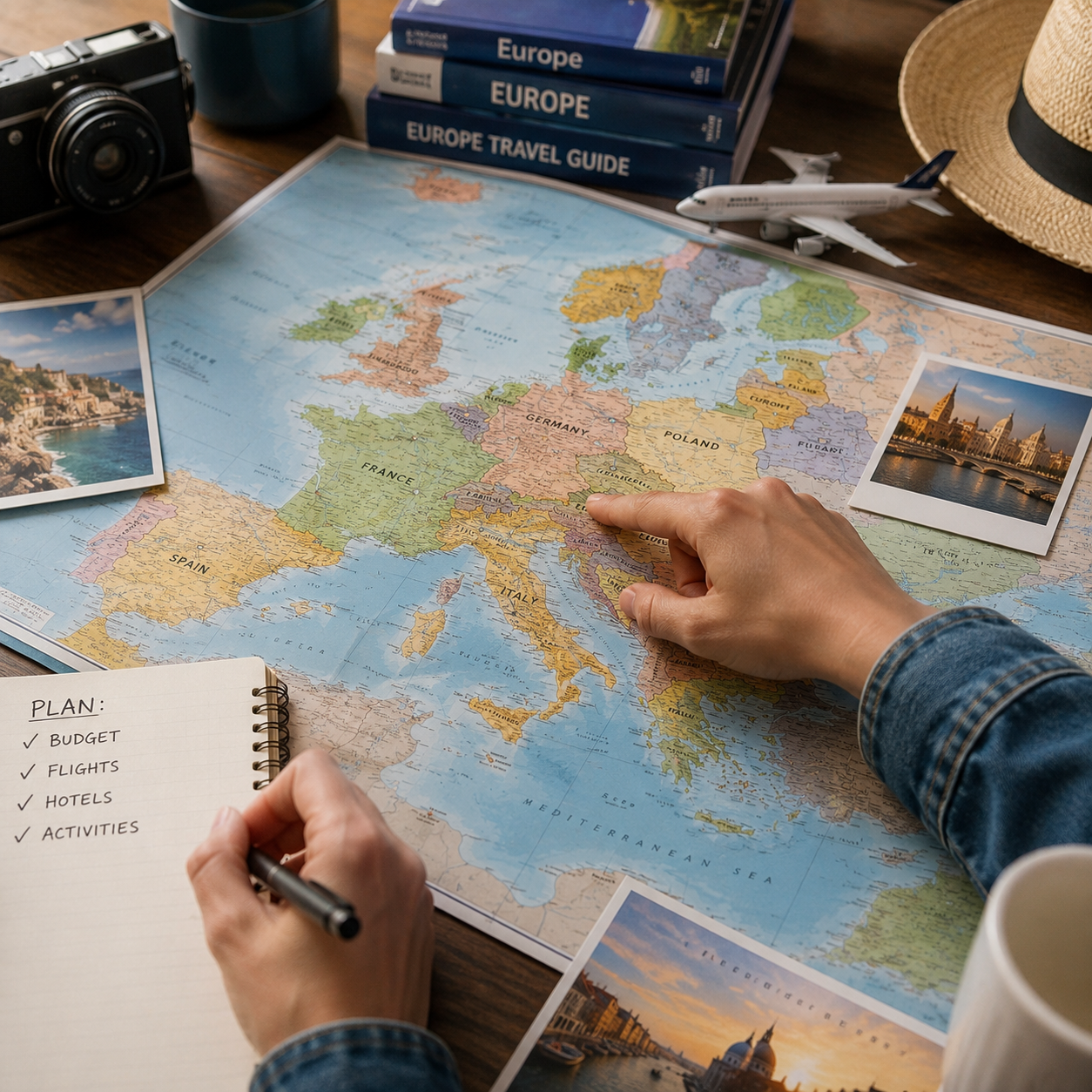
1. Choose the Right Countries for Your Time

Trying to visit too many countries is probably the most common European travel mistake Americans make. Europe on the map may look like one country but there is still quite a lot of time, energy and money involved in moving through the cities. Airports, train stations, hotel check-ins, and transportation could easily make a vacation that was intended to be relaxing, quite the opposite.

Therefore, it is more sensible to select only a few destinations and thoroughly enjoy them.

For example:

  • A 7-day Europe trip usually works best with 1–2 countries.

  • A 10 to 14-day trip works well with 2–4 countries depending on travel distance.

The longer journeys will give you greater flexibility, but even that, slower travel is almost always better.

Western routes, such as Paris-Amsterdam-Brussels, run smoothly due to good urban connections. Routes to Southern Europe, such as Spain and Portugal, are also easier to travel to as distances are not too great.

The goal is building a route that flows naturally instead of constantly backtracking.  When you plan out your itinerary, stick to the best places to visit in Europe that fit your travel style. Your trip should be a nice balance of being enjoyable and getting to see some of the places, rather than just being rushed from one spot to another.

2. Pick the Best Time to Visit Europe

Your choice of season determines everything about your experience. Besides being different visually, Europe feels differently according to the time of the year. Most travelers don’t give enough thought to timing and miss out on possibility, so choosing the right time matters more than most travelers expect.

Spring, especially April and May, is one of the best times for a Europe trip. The weather is pleasant already; and the cities get adorned with flowers. Tourists are also less in number compared to the peak summer months.

Summer is the busiest season in Europe. Apart from the fact that flight tickets and hotel rates go up so you have to pay more, beaches, islands and outdoor attractions are at their prime. Cities like Paris, Rome and Barcelona also draw a lot of tourists in July and August.

Fall is another excellent option because temperatures stay comfortable while prices often become lower after summer tourism slows down. Cities feel calmer, and many travelers prefer the relaxed atmosphere during September and October.

Winter no doubt is the time of European Christmas markets, snow-covered landscapes, and cities going all out in the decoration. Places such as Vienna, Prague, and Munich are especially lovely during Christmas.

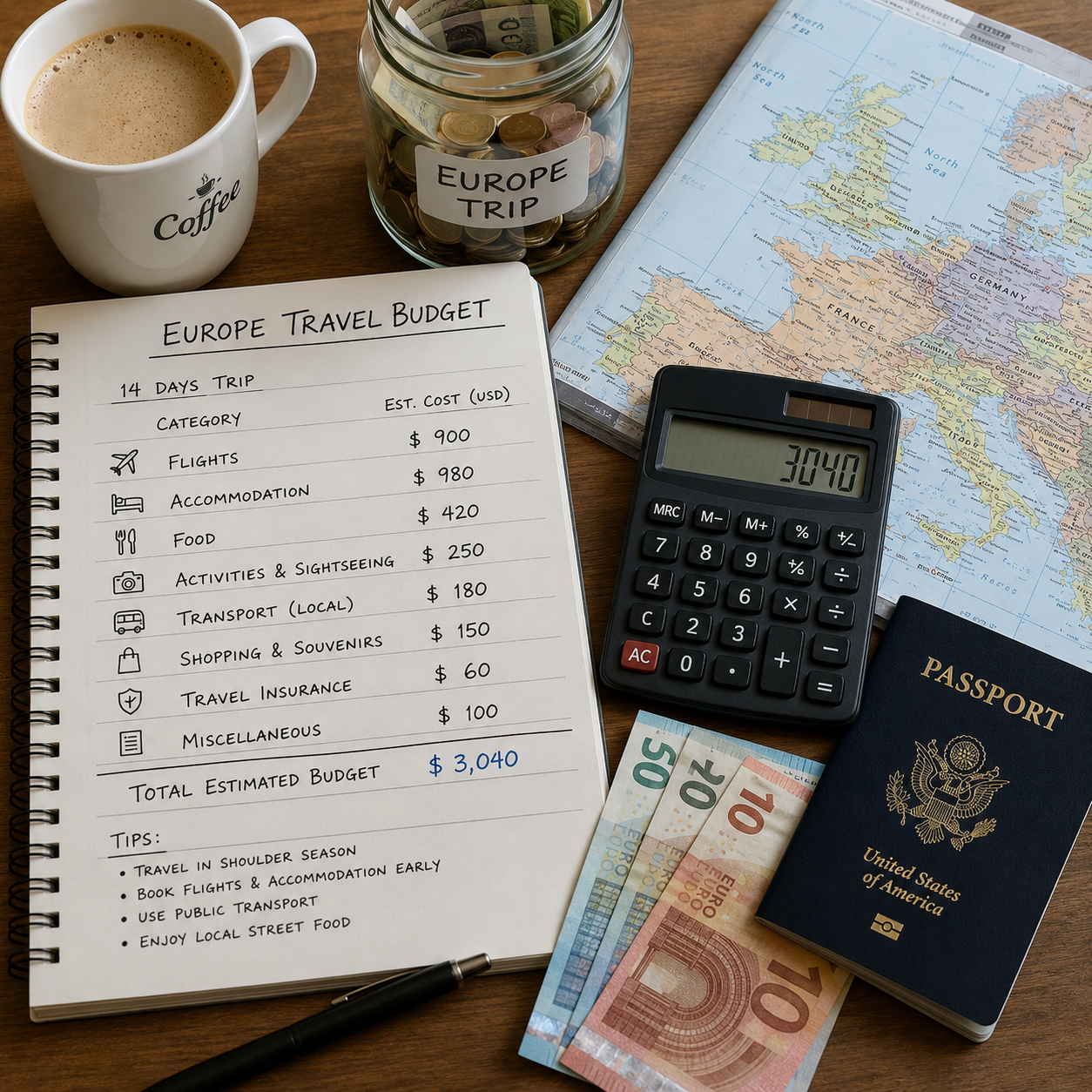
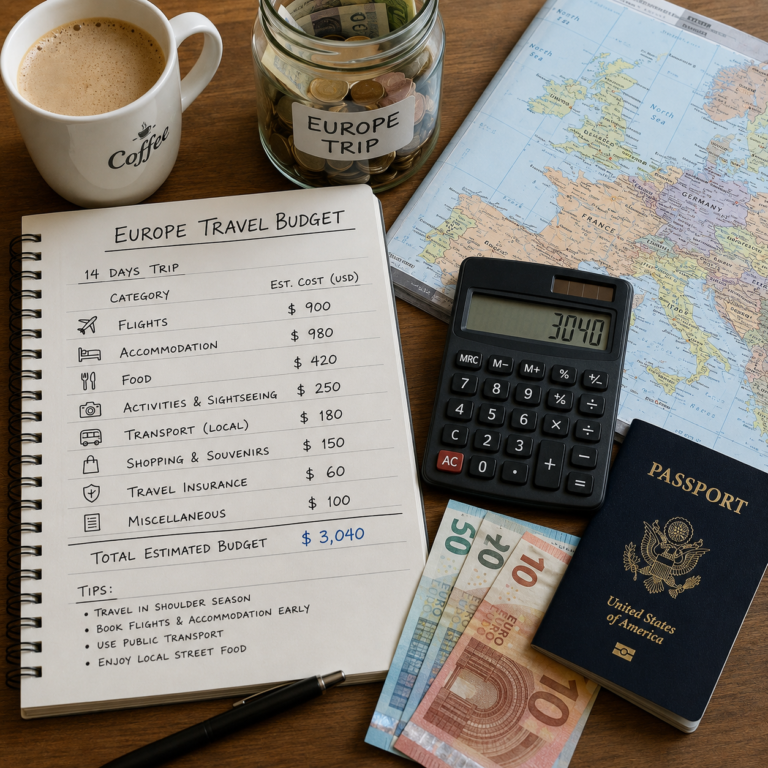
3. Set a Realistic Europe Travel Budget

Europe can be tailored to fit various budget levels, but making a plan for how much you will spend can help you avoid stress later on. The main factors that will determine your budget are which countries you choose to visit and how you like to travel.

Western European destinations such as Switzerland, France, and Norway are mostly pricey. On the other hand, Portugal, Hungary, Poland, and some parts of Eastern Europe will be more affordable for American travelers, especially if you are choosing guided options like escorted land tours in Europe that help manage travel costs and planning more efficiently.

When budgeting, think beyond flights and hotels. Many small daily expenses add up quickly during a Europe trip.

Your budget should include:

  1. International flights

  2. Hotels or Airbnb stays

  3. Transportation within Europe

  4. Food and coffee

  5. Attraction tickets

  6. Local transportation

  7. Shopping and extra spending

  8. Travel insurance

Travel experts usually recommend that you take a small extra reserve with you since Europe vacations usually end up costing a little more than you expect when you add local transportation, snacks, museum tickets, and spontaneous activities.

4. Book Flights Before Prices Rise

Flights from the USA to Europe are usually one of the biggest expenses of the trip, so timing matters.

Generally, most travelers get good prices when they book international flights 3-6 months ahead. If you can manage flexible travel dates, you can also save a lot of money this way.

Another smart strategy is booking “open-jaw” flights instead of round trips.

For example:

Fly into London → Travel across Europe → Fly home from Rome.

This saves time and does not force unnecessary travel between countries. This method is used by many experienced travellers as it makes the trip more even. Typical big cities with good international flight connections are:

  • London
  • Paris
  • Amsterdam
  • Madrid
  • Rome
  • Frankfurt

But sometimes, a flight to a less popular city such as Lisbon or Dublin could end up being cheaper as well.

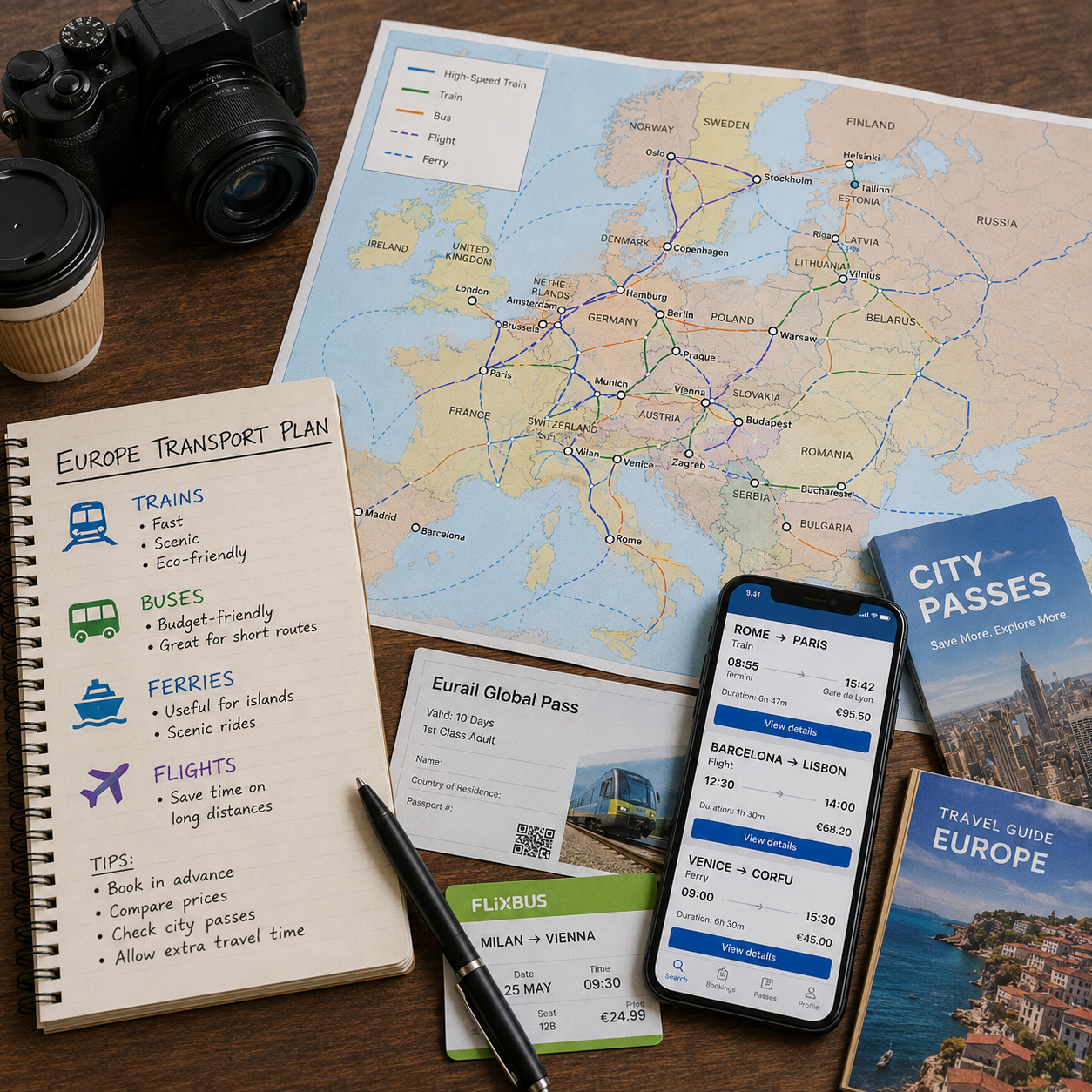
5. Plan Transportation Within Europe

One reason Europe is so popular is because traveling between countries is surprisingly easy. The transportation system is far more connected than many first-time visitors expect.

Trains are the main mode of transport for short distances. High-speed trains linking the major cities of Europe allow for comfortable and efficient journeys. In addition, traveling by train gives you the advantage of directly arriving in the city centers without having to deal with airports that are located quite far from the cities.

Routes like Paris to Amsterdam, Rome to Florence, or Vienna to Budapest work especially well by rail.

For longer distances, flying with low-cost airlines is an alternative. Airlines like Ryanair and easyJet offer cheap flights between European cities, although baggage fees can increase costs quickly. This makes them a good choice when you are covering longer gaps between countries to visit at least once during your Europe trip. 

Inside cities, going for public transport in the cities is also a safe choice. Most places will present you with reliable metro networks, buses, and trams that will make your mobility simple, even if you are a first time visitor.

Walking also becomes a significant aspect of the European experience. Many historic areas are best explored slowly on foot anyway.

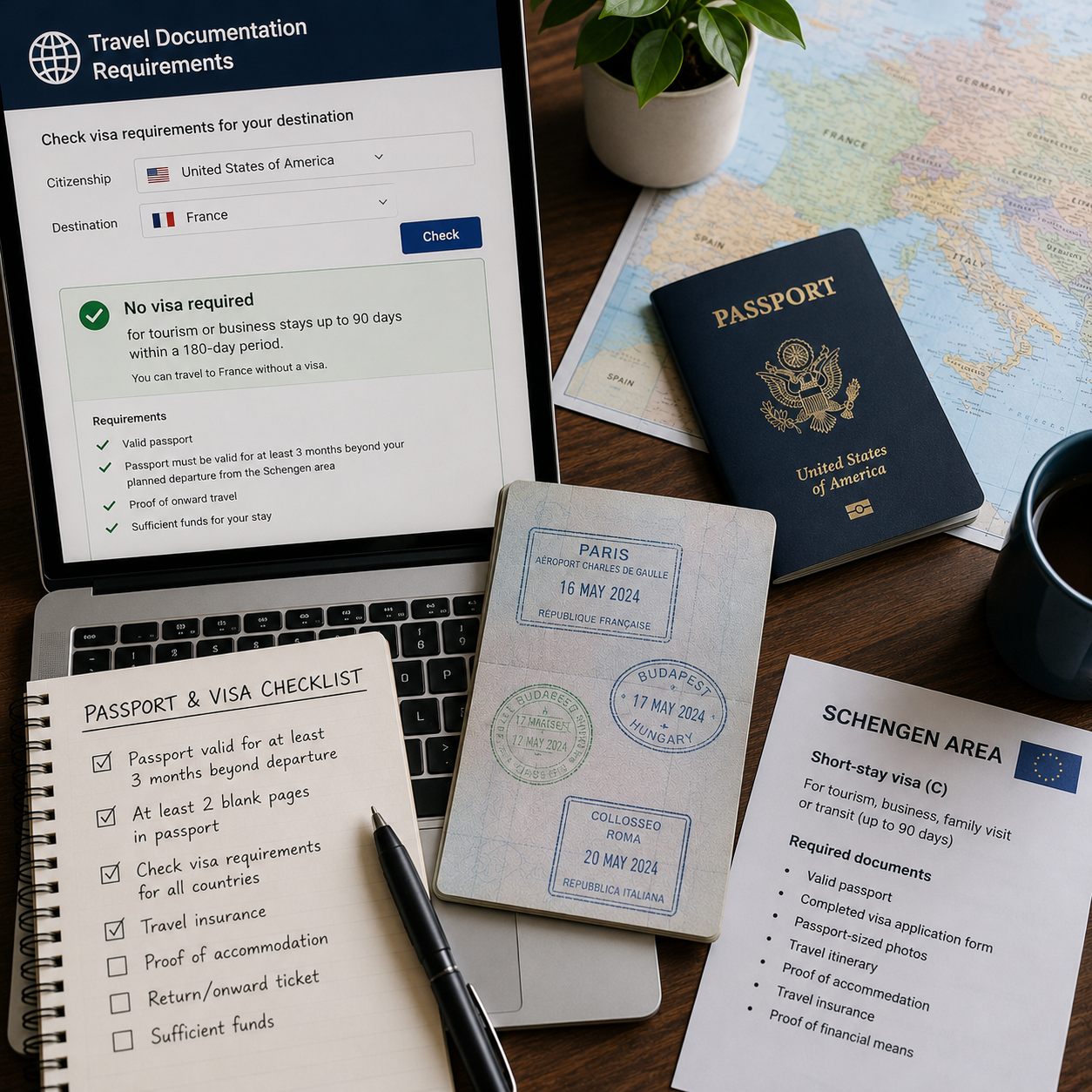
6. Understand Passport and Visa Requirements

American travelers currently have relatively easy access to many European countries for tourism. U.S. passport holders can visit most countries within the Schengen Area for up to 90 days without needing a traditional tourist visa.

Still, travelers should always consult the most up-to-date rules before traveling because regulations sometimes change.

In general, your passport should be valid for at least six months after your return date.

Alongside printed versions, it is also advisable to keep digital copies of all your important travel documents, including:

  • Passport
  • Hotel confirmations
  • Flight tickets
  • Travel insurance
  • Emergency contacts

Extra copies are helpful in reducing stress if something gets lost on the journey.

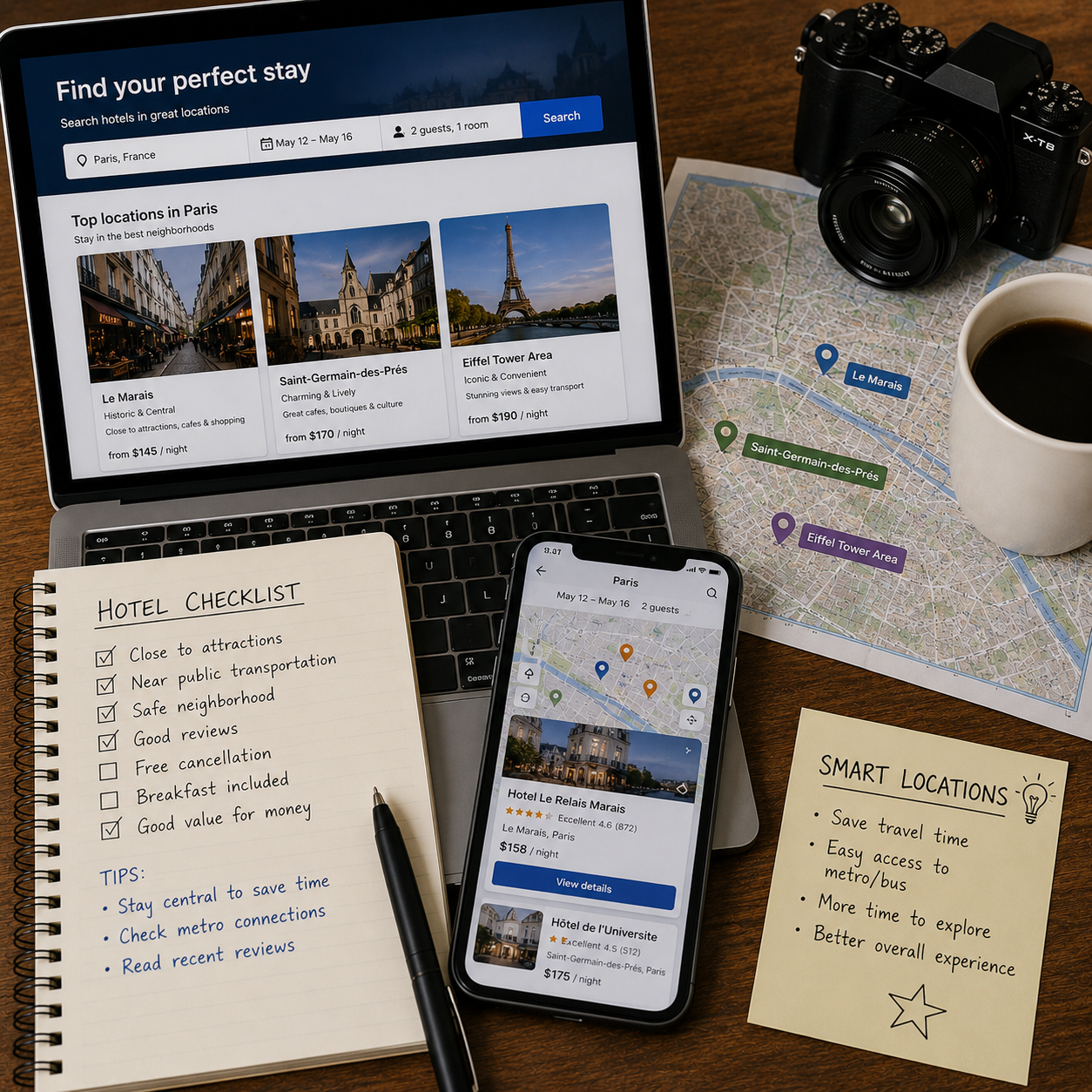
7. Choose Hotels in Smart Locations

Accommodation impacts your travel experience more than you will probably think. Having a more affordable hotel that is quite a distance from the city center might sound like a great idea initially, but long daily commutes can quickly become frustrating.

Instead, focus on convenience and accessibility.

Hotels or apartments close to train stations, metro lines, or downtown areas usually mean that sightseeing can be done more easily. Even paying slightly more for a better location can save time, transportation costs, and energy during the trip.

For short visits, a central location is ideal. For a longer stay, it would be great to have an apartment or Airbnb as it will offer you better comfort and flexibility.

Pay attention to the hotel ratings as well as recent guest feedback when making your booking because hotel quality can change over time.

8. Pack Lighter Than You Think

Many Americans overpack for Europe, especially for multi-country trips. But carrying heavy luggage becomes a big problem when you are dealing with stairs, train stations, cobblestone streets, and small hotel rooms.

Packing lighter makes travel significantly easier.

Choose easy-to-wear clothes rather than too many outfits. A comfortable pair of walking shoes is more important than a fashion forward pair of shoes because Europe usually involves a lot of walking every day.

A few useful essentials include:

  • Comfortable shoes
  • Portable charger
  • Universal power adapter
  • Light layers
  • Basic medicine
  • Crossbody or anti-theft bag
  • \

Doing a bit of packing simplification will almost certainly make your trip much more enjoyable.

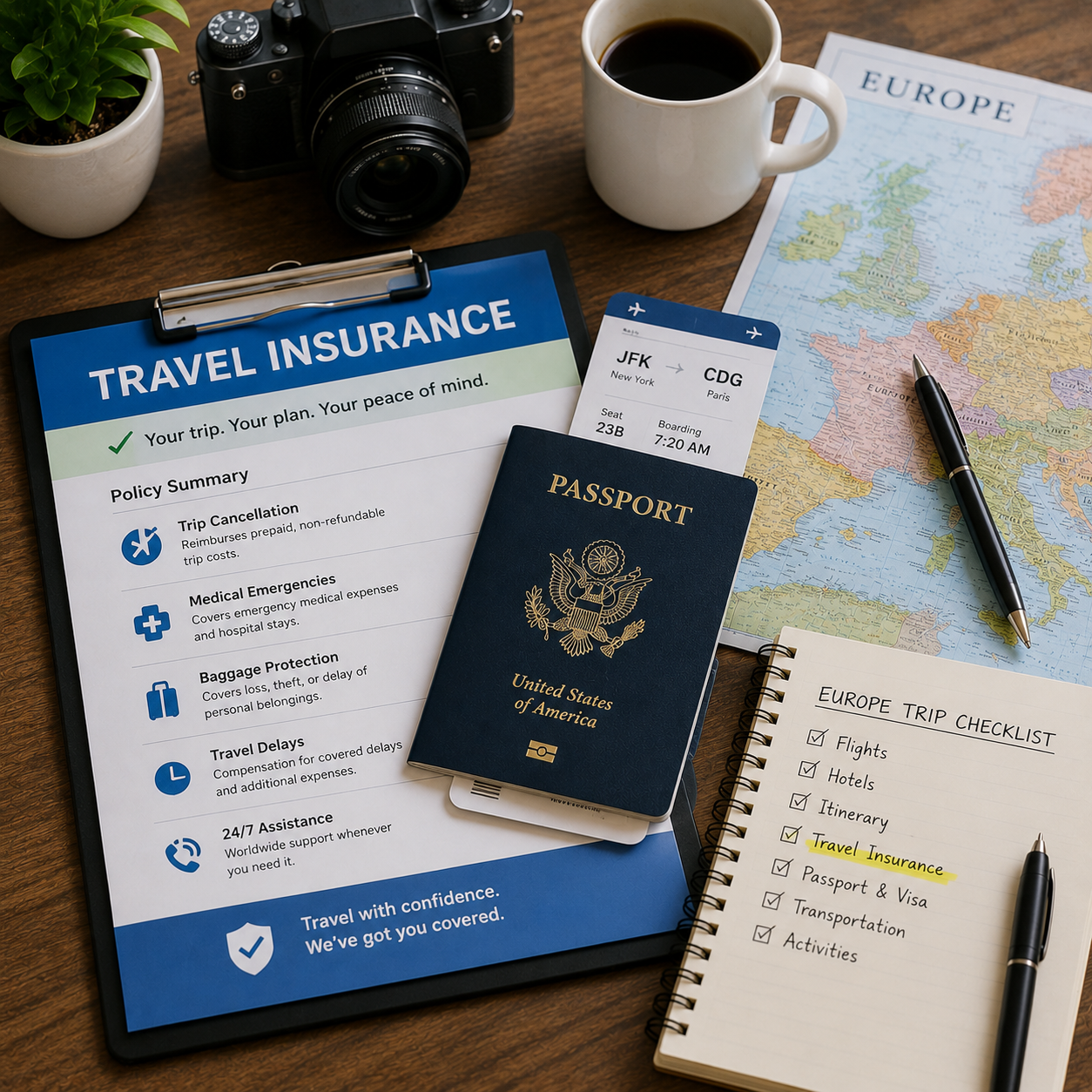
9. Don’t Skip Travel Insurance

Many Americans overpack for Europe, especially for multi-country trips. But carrying heavy luggage becomes a big problem when you are dealing with stairs, train stations, cobblestone streets, and small hotel rooms.

Packing lighter makes travel significantly easier.

Choose easy-to-wear clothes rather than too many outfits. A comfortable pair of walking shoes is more important than a fashion forward pair of shoes because Europe usually involves a lot of walking every day.

A few useful essentials include:

  • Comfortable shoes
  • Portable charger
  • Universal power adapter
  • Light layers
  • Basic medicine
  • Crossbody or anti-theft bag


Doing a bit of packing simplification will almost certainly make your trip much more enjoyable.

Make Your European Tour Planning Effortless with Expert Guided Experiences

When planning a trip to Europe there are a lot of things that one should consider. Such include figuring out travel routes, booking hotels, opting for the right mode of transportation, and deciding on the number of cities one can visit within a limited timeframe. Without proper guidance, it’s easy to either overspend or end up with a rushed itinerary that doesn’t let you enjoy the destinations properly.

That’s where having the right support makes a real difference. An experienced travel planner such as Viarajourney not only assists you in organizing your trip in a more effective way but also through the entire process of making arrangements. From selecting the best destinations to balancing travel time and experiences, everything becomes more structured and stress-free instead of confusing and scattered.

With expert planning and well-designed city and adventure experiences across popular European destinations like Vienna, Salzburg, Prague, and more, your trip becomes more enjoyable and less stressful. Instead of worrying about the arrangements, your attention will be drawn to exploring, experiencing, and enjoying your journey to Europe.

Final Thoughts

Learning how to plan a Europe trip from USA becomes much easier once you stop trying to organize everything at once. The main thing is to plan your trip gradually, select the most suitable locations, work out a realistic plan, arrange the travel and make sure you have enough time to enjoy the journey.

Europe is not the kind of destination you need to rush through. Whether it is your first visit or a return trip, Europe has a way of staying with people long after they come home. Things like calm mornings in historical cities, remarkable train journeys, local small restaurants serving dinners till late at night, these often become memories that are more precious than the itinerary itself.

FAQs

1. How many days are enough for a Europe trip from the USA?

Most travelers plan 10, 14 days for a Europe trip from the USA. That will allow you enough time to visit 2-4 countries without any rushing.

2. What is the best time to visit Europe from the USA?

The best times are spring (April-May) and Fall (September-October). The weather is nice and not as crowded as summertime.

3. Do US citizens need a visa for Europe travel?

For most European countries, when you are traveling for a short time as a U.S. citizen, you do not need a visa. You can stay up to 90 days within the Schengen Area for tourism.

4. How much budget is needed for a Europe trip?

It will vary according to the type of travel and destination, but most trips range from mid to high budget. Western Europe is more expensive than Eastern Europe.

5. What is the easiest way to travel between European countries?

Trains are the most convenient for short distances, while budget airlines work well for longer routes. Both options are widely available.

6. Is travel insurance necessary for a Europe trip?

Yes, it is highly recommended. It covers emergencies like medical issues, flight delays, or lost luggage during international travel.

7. Can a travel planner like Viarajourney help with Europe trips?

Yes, a travel planner such as Viarajourney can help you arrange your journeys, hotels, and experiences conveniently. It saves time, and can make your trip to Europe more organized, less stressful.

Blogs

Best International Travel Tips for First Time Travelers from USA

Dreaming about your first trip outside the United States? Whether your plan is to discover the historic cities of Europe, unwind on a Caribbean beach, or immerse yourself in the vibrant Asian cultures, international travel truly brings the most memorable moments. However, stepping into a new country for the first time also comes with challenges that many travelers don’t anticipate.

Read More »
Blogs

Cruise Dress Code Guide: What to Wear on a Luxury Cruise

Imagine yourself stepping aboard a luxury cruise ship, where elegant dinners, ocean-view lounges, and unforgettable destinations await. But before you set sail, there’s one question that often catches travelers off guard: what exactly should you wear? From relaxed daytime outfits to sophisticated evening attire, understanding the cruise dress code can help you feel confident and prepared for every moment of your voyage.

Read More »
Blogs

Best Time of Year to Cruise to Europe, Alaska and the Caribbean​

Cruising is one of the simplest, most lovely ways to see different places on a single trip. If you imagine yourself sailing through Alaska’s glacier-filled waterways, discovering Europe’s historic coastal cities, or relaxing on the sun-soaked beaches of the Caribbean, then a bit of research on when to go can really cover a big part of your experience.

Read More »
Blogs

Luxury Wellness Retreats and Spa Getaways Around the World

Modern travel is no longer only about sightseeing and luxury accommodations. More travelers are choosing experiences that help them slow down, recharge, and improve their overall well-being. Think about mountain retreats or seaside spas balanced with holistic healing centers and wellness resorts — this kind of luxury wellness travel is considered one of the best forms of getting away from the stress and pressures of daily life.

Read More »
Blogs

Luxury Travel Tips: How to Get VIP Perks and Upgrades on Your Trip

Planning a Europe trip from the USA feels exciting until you actually sit down to organize everything. You start off trying out the different flight deals, then you go to the map to see which route is best, after that you get the train schedule, at some point you check the visa formalities, and try to decide which countries are worth your limited vacation days. For first-time travelers especially, Europe can feel both exciting and overwhelming at the same time.

Read More »
Blogs

How to Plan a Europe Trip from USA: Complete Travel Guide

Planning a Europe trip from the USA feels exciting until you actually sit down to organize everything. You start off trying out the different flight deals, then you go to the map to see which route is best, after that you get the train schedule, at some point you check the visa formalities, and try to decide which countries are worth your limited vacation days. For first-time travelers especially, Europe can feel both exciting and overwhelming at the same time.

Read More »
Blogs

Top Luxury Safari and Beach Holidays In Africa for 2026

What’s the first thing you’d think of when you dream of a perfect getaway? Is it the thrill of watching a pride of lions move across golden grasslands as the African sun rises? Or maybe it is the feeling of walking barefoot on powder-soft beaches, with turquoise waters stretching endlessly ahead. But for many travelers in 2026, the ideal holiday isn’t simply about balancing adventure and relaxation, it’s about getting both in one amazing experience.

Read More »
Blogs

Best Places To Proposal Around The World In 2026

Love is something that should have its own moment as special as the story behind it. A proposal is not simply asking a question, but making a memory to live with both of your lives. The location you pick can make that experience really memorable, something that will almost feel like a movie.

Read More »