How to Plan a Travel Budget: A Practical Guide for Stress-Free Travel
What if planning your next trip started with your travel budget instead of your bucket list? Before choosing the perfect destination, booking a beautiful hotel, or filling your itinerary with exciting activities, knowing what you can comfortably spend can make the entire experience easier.
A good travel budget is not about restricting your vacation. It is about making sure your money supports the experiences you actually care about while reducing the risk of unexpected financial stress.
Travel budgeting in a nutshell: Decide what you can afford, identify what matters most, estimate your major expenses, and leave room for the unexpected.
According to Empower’s 2025 Travel Spending Trends research, 38% of travelers say staying under budget is very important when vacationing, while only 28% actually set a travel budget.
Why Do You Need a Travel Budget?
Budgeting may not be the most exciting part of planning a vacation. You are probably more interested in discovering new places, enjoying great food, and creating memorable experiences.
But a travel budget gives you a clear picture of what you can spend, which experiences you can prioritize, and where you may need to make adjustments.
It also helps you avoid a common travel problem: spending too much early in the trip and then having to cut back later.
The World Travel & Tourism Council tracks the enormous economic impact of travel and tourism worldwide, showing just how significant travel spending is across transportation, accommodation, food, and experiences.
💡 The goal of a travel budget:
Do not try to make every part of your trip as cheap as possible. Instead, decide where your money creates the most value and save in areas that matter less to you.
8 Simple Steps to Plan a Travel Budget
01
Set Your Total Budget
Decide how much you can comfortably spend on the entire trip before looking at hotels, flights, or activities.
02
Set Your Priorities
Decide which experiences matter most and where you are willing to spend more.
03
Calculate Major Costs
Estimate transportation, accommodation, food, activities, and other essential expenses.
04
Research Your Destination
Check current prices and create realistic daily spending estimates based on your destination.
05
Plan Your Itinerary
Group nearby activities together and structure your days around both your interests and your budget.
06
Prepare for Extras
Allow money for unexpected costs such as baggage fees, transfers, tips, and itinerary changes.
07
Find Smart Savings
Reduce low-value expenses without sacrificing the experiences that make your trip special.
08
Review Before Booking
Add everything together and make sure the estimated trip cost fits comfortably within your budget.
1. Start With Your Total Travel Budget
Before comparing hotels, restaurants, or sightseeing tickets, determine how much you can realistically afford to spend on the entire trip.
Consider how much money you already have available for travel, how much you can save before departure, and whether you need to keep money aside for expenses at home.
Your travel budget should be based on what you can comfortably afford rather than simply matching the estimated cost of the trip.
If your estimated trip cost is too high, consider:
- Shortening the trip.
- Choosing a more affordable destination.
- Traveling during a less expensive season.
- Selecting simpler accommodation.
- Using public transportation.
- Reducing the number of paid activities.
2. Decide What Matters Most on Your Trip
Every traveler has different priorities. Someone visiting Paris for its food may happily spend more on restaurants, while another traveler may prefer museums, shopping, sightseeing, or comfortable accommodation.
Before dividing your money into categories, ask yourself:
- What experiences do I really want?
- Where am I willing to spend more?
- Which expenses are less important to me?
- Would I rather travel longer or travel more comfortably?
- Are there activities I would regret missing?
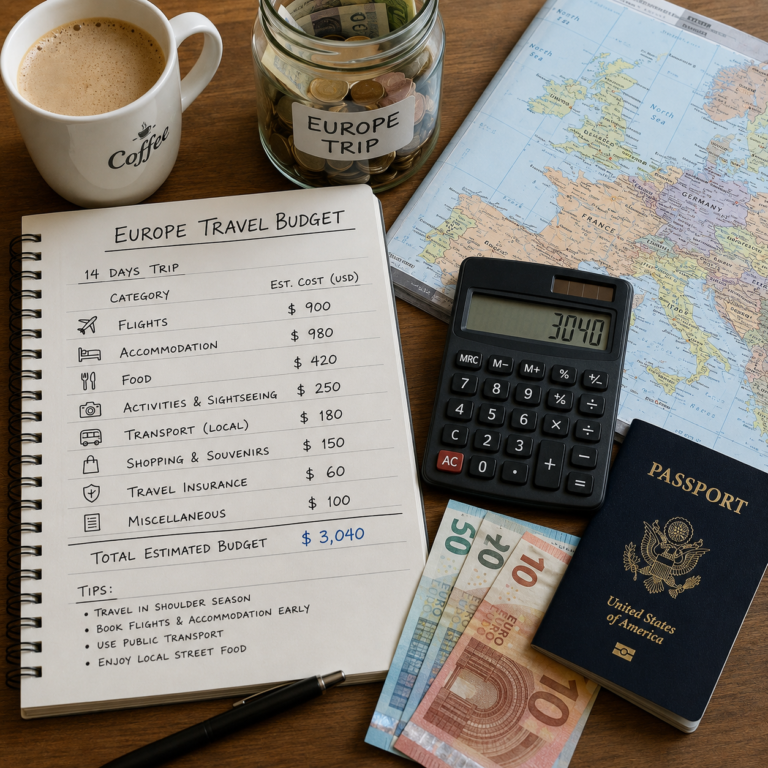
Transportation, accommodation, food, and activities are usually the biggest categories. Decide which ones deserve the largest share of your budget.
3. Break Your Budget Into Major Categories
✈️ Transportation
Transportation involves more than your flight or train ticket. Include the costs of getting to your destination and moving around once you arrive.
- Flights
- Trains and buses
- Airport transfers
- Rental cars
- Taxis and rideshares
- Public transportation
- Parking and tolls
- Transportation to and from cruise ports
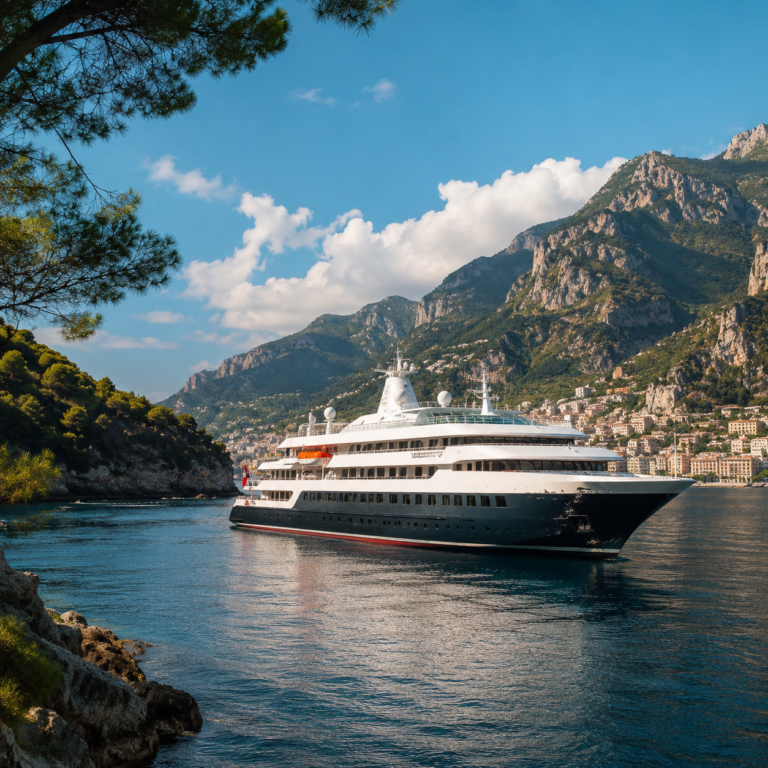
If you are considering a cruise, remember to include transportation to and from the port in addition to the cruise fare. You can explore different cruise options to find an itinerary that fits your plans and budget.
Smart tip: A cheaper flight is not always the cheapest option. Consider airport transfers, baggage fees, ground transportation, and the location of your accommodation when comparing total travel costs.
🏨 Accommodation
Accommodation can take up a large portion of your travel budget, so compare more than the nightly room rate.
Check whether the price includes breakfast, taxes, resort fees, parking, Wi-Fi, or other additional charges.
Location matters too. A cheaper hotel outside the city center may not actually save money if you have to pay for taxis or long-distance transportation every day.
Depending on your travel style, compare hotels, hostels, guesthouses, and vacation rentals. If relaxation is a major priority, you can also explore luxury wellness retreats and spa getaways.
🍽️ Food
Food is one category where small daily purchases can quickly become a large expense.
Instead of setting one vague amount for food, estimate your daily spending for breakfast, lunch, dinner, drinks, snacks, coffee, and special meals.
You do not have to avoid restaurants to save money. You could have breakfast at your accommodation, enjoy an affordable local lunch, and save part of your budget for a restaurant you genuinely want to experience.
🎟️ Activities & Entertainment
Make a list of the experiences you are most excited about and research their actual prices.
- Museum and attraction tickets
- Guided tours
- Theme parks
- Shows and performances
- Excursions
- Sporting events
- Boat trips
- Outdoor activities
Also look for free experiences. Walking through historic neighborhoods, visiting public parks, exploring markets, enjoying viewpoints, or attending free local events can create memorable experiences without adding much to your budget.
4. Research Your Destination Before Setting Daily Limits
Your daily travel budget should be based on your destination rather than an arbitrary number.
Research current prices for accommodation, food, transportation, attractions, and other everyday expenses. Prices can vary significantly depending on the season and demand, so use recent information whenever possible.
Do not forget to check the local currency and exchange rate. A destination that appears inexpensive at first may become more expensive once you factor in accommodation and transportation.
💡 Remember: Your daily budget is an estimate, not a strict spending limit. Some days will naturally cost more than others.
5. Build Your Itinerary Around Your Budget
A good itinerary should support your budget rather than work against it.
Group activities by location. If several attractions are close together, visit them on the same day instead of repeatedly crossing the city. This can reduce transportation costs and give you more time to explore.
If you are planning your first international trip, these international travel tips for first-time travelers can also help you prepare for transportation, timing, and other practical arrangements.
You do not need to plan every minute. Create enough structure to understand how much each day is likely to cost while leaving room for spontaneous experiences.
6. Leave Room for Unexpected Expenses
One of the easiest travel-budget mistakes is planning for everything you expect and nothing you do not.
Unexpected expenses can include:
- Baggage fees
- Last-minute transportation
- Forgotten essentials
- Higher-than-expected meal prices
- Changes to your itinerary
- Extra attraction tickets
- Tips and service charges
- Emergency purchases
Also remember expenses that travelers often overlook, such as travel insurance, visas, mobile data, airport transfers, laundry, and souvenirs.
Setting aside an emergency or miscellaneous fund before you leave can make your trip much less stressful.
7. Find Places to Save Without Ruining Your Trip
Budget travel does not mean choosing the cheapest option every time. Instead, save on expenses that do not add much value to your experience.
Save on Transportation
Compare different travel dates, use public transportation where practical, and walk when destinations are close together.
Save on Accommodation
Compare locations, included amenities, taxes, and fees instead of looking only at the nightly rate.
Save on Food
Mix affordable local meals with a few special dining experiences you genuinely want.
Save on Activities
Combine paid attractions with free museums, parks, markets, walking routes, and local events.
Other simple ways to save include traveling during the shoulder or off-season, comparing multiple booking options, staying slightly outside expensive tourist areas, choosing accommodation with breakfast or kitchen access, and limiting impulse shopping.
8. Review Your Budget Before You Book
Before making major bookings, add all your estimated expenses together.
Transportation + Accommodation + Food + Activities + Miscellaneous Expenses + Emergency Fund = Estimated Trip Cost
Compare the estimated trip cost with the amount you can actually afford.
If there is a gap, look for the category that can be adjusted without removing the experiences you care about most.
You could stay for six nights instead of eight, choose another travel date, select a simpler hotel, use public transportation instead of taxis, or reduce the number of paid attractions.
Your Travel Budget Checklist
- ☐ Transportation and airport transfers
- ☐ Accommodation and additional hotel fees
- ☐ Food, drinks, and snacks
- ☐ Attractions and activities
- ☐ Travel insurance
- ☐ Visas and travel documents
- ☐ Mobile data or eSIM
- ☐ Tips, laundry, and souvenirs
- ☐ Emergency and miscellaneous fund
The Bottom Line
Planning a travel budget does not mean taking the fun out of your vacation. With a little research and flexibility, you can enjoy an exciting trip without putting unnecessary pressure on your finances.
Start by setting a realistic total budget, identify your biggest expenses, decide which experiences matter most, and leave some room for unexpected costs.
Most importantly, use your money to support the type of trip you actually want to have.
Need Help Planning Your Trip?
A professional travel planner can help you build a trip around your budget, interests, and priorities. From choosing the right destination to organizing accommodation, transportation, and activities, expert guidance can make the planning process easier.
Explore expert travel planning with Via Ra Journeys →
Frequently Asked Questions About Travel Budgets
1. How do I start planning a travel budget?
Start by deciding how much you can comfortably afford to spend on the entire trip. Then divide the amount among transportation, accommodation, food, activities, and miscellaneous expenses. Finally, set aside additional money for unexpected costs.
2. What should a travel budget include?
A travel budget should include transportation, accommodation, meals, local transportation, activities, travel insurance, applicable visa or document costs, communication expenses, and unexpected costs.
3. How much should I save for unexpected travel expenses?
There is no single amount that works for every traveler. Set aside an additional amount that you can comfortably afford beyond your expected expenses. A financial cushion becomes especially useful for longer or more complex trips.
4. How can I save money while traveling?
Compare flights and accommodation, consider less expensive travel seasons, use public transportation, choose good-value accommodation, eat at local restaurants, and combine paid attractions with free experiences.
5. Should I create a daily travel budget?
Yes. A daily estimate for meals, transportation, and activities can help you monitor your spending and prevent you from using too much of your budget early in the trip.
6. Can an expert travel planner help with budgeting?
Yes. An expert travel planner can help organize your trip around your budget, preferences, priorities, and schedule while helping you make practical decisions about destinations, accommodation, transportation, and activities.